
High-temperature filtration media
Aramid Filter Bags
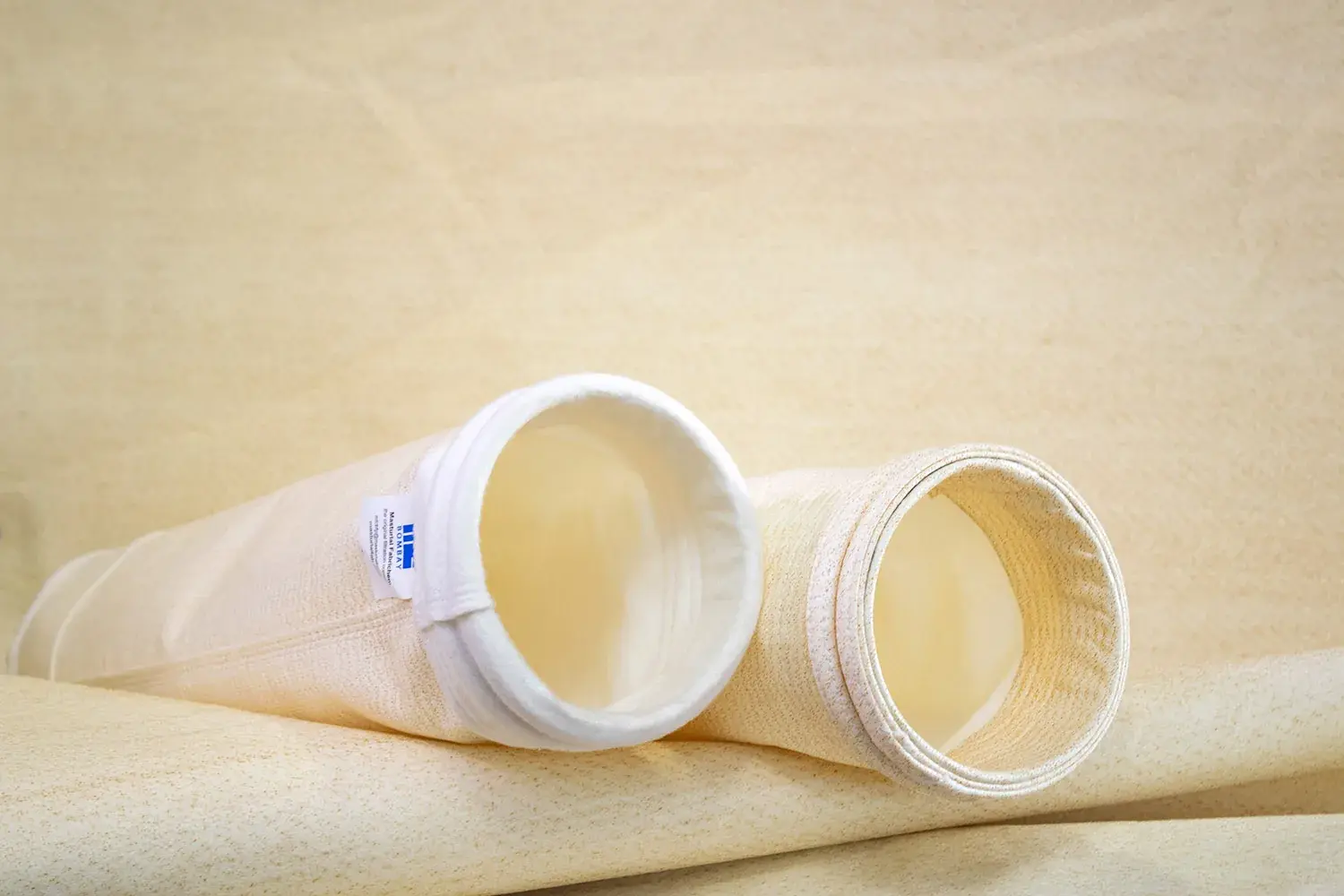
Aramid filter bags are widely used in high-temperature dry-filtration duties, but polymer name alone does not determine performance. Masturlal reviews heat exposure, moisture, hydrolysis risk, chemistry, abrasion, cleaning conditions and collector geometry before defining the bag construction.
Detailed RFQ configuration
Configure Aramid Filter Bags in the RFQ shop.Choose the required quality, construction, exact dimensions, quantity and application details before adding the line to your basket.
Masturlal FabrichemIndustrial filtration
Where it is used
Application context matters.
The same nominal filter-media family can perform very differently when temperature, chemistry, dust, moisture, cleaning energy and collector geometry change. These are common use cases, not automatic material approvals.
- Cement and lime dust collection
- Asphalt and minerals processing
- Steel and metals dust collection
- Industrial high-temperature baghouses
Selection inputs
What engineering should review before finalising the bag.
- Temperature profile and excursion duration
- Moisture and hydrolysis exposure
- Dust abrasiveness
- Cleaning method and pulse energy
- Required surface treatment or membrane
- Bag fit, seam and reinforcement details
Media & construction routes
Configured to the approved duty.
Meta-aramid needlefeltAramid with surface treatmentsAramid membrane grades where specifiedEngineered aramid blends
Final material, finish, membrane, GSM, construction and performance values are governed by the approved technical specification and application review.
Related engineering pages
Go deeper into the collector, application and supporting components.
Filter bag FAQs
Questions procurement and plant teams ask.
Are aramid filter bags suitable for every high-temperature baghouse?No. Moisture, acid exposure, hydrolysis risk, temperature excursions and the cleaning system can materially affect suitability and service life.
What construction details should be confirmed?Bag diameter and length, top and bottom design, seam, reinforcement, cage geometry and cleaning mechanism should be confirmed before manufacture.