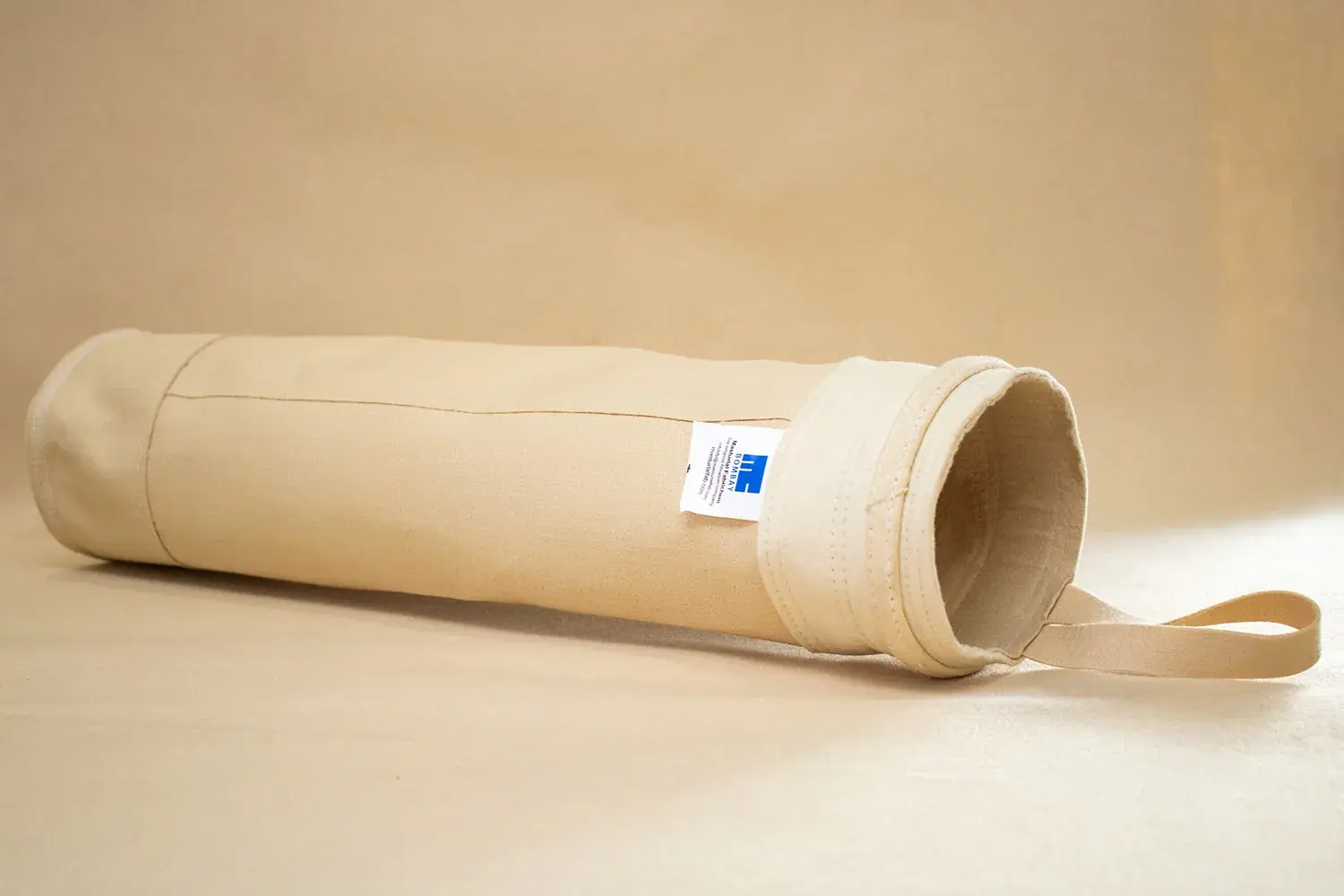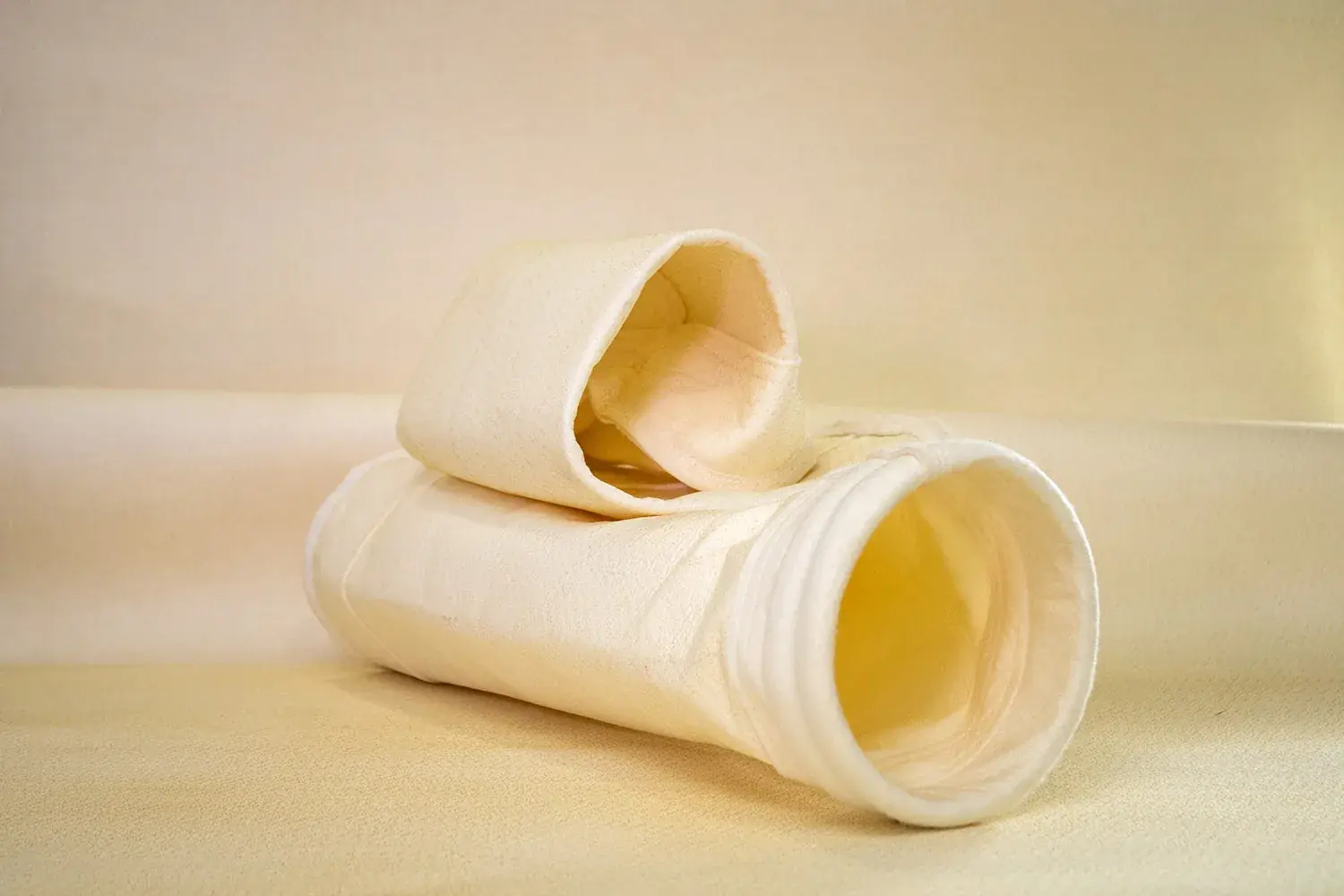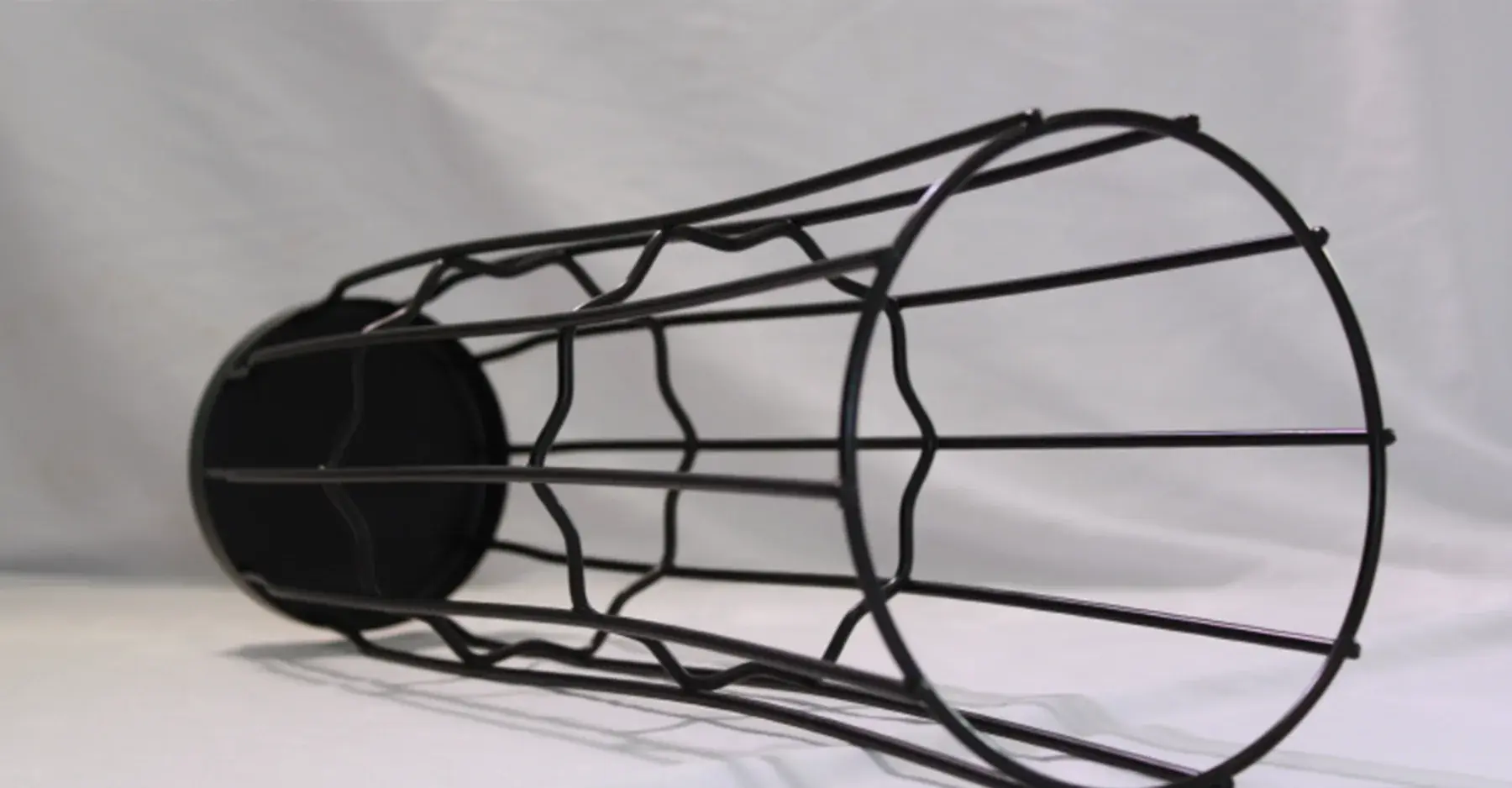
A filter bag is not selected by polymer name alone. Cleaning system, geometry, gas conditions, dust behaviour and the failure mode of the existing installation all affect the construction that should be offered.
1. Identify the collector and cleaning system
Start with the baghouse type because it controls fitment, bag support and cleaning behaviour.
- Pulse-jet, reverse-air / RABH or shaker
- Collector / compartment identification
- Airflow or gas volume if available
- Tube-sheet hole and cage arrangement
- Online or offline cleaning
2. Capture the exact bag construction
Dimensions should be taken from an approved drawing or from representative removed bags and cages where possible.
- Diameter / flat width and overall length
- Top construction: snap band, ring, cuff, cap or special collar
- Bottom construction and wear reinforcement
- Seam direction and seam type
- Grounding / anti-static details where required
3. Define the operating envelope
Continuous temperature is only one input. Excursions, moisture and chemistry often explain premature failure.
- Normal and peak temperature
- Moisture / condensation events
- Acidic or alkaline gas constituents
- Oxygen and process upset conditions
- Dust loading, particle character and abrasiveness
4. State the performance problem
A useful RFQ explains what is wrong today, not only what was purchased last time.
- Current service life
- Differential pressure trend
- Emission / leakage issue
- Bag blinding or poor cake release
- Mechanical wear location
- Current media / supplier when known
5. Commercial and shutdown inputs
Quantity, required date and shutdown constraints determine production and logistics planning.
- Installed quantity and order quantity
- Required dispatch / site date
- Planned shutdown window
- Packing / transport constraints
- Inspection or documentation requirements